
[vc_row][vc_column][vc_column_text]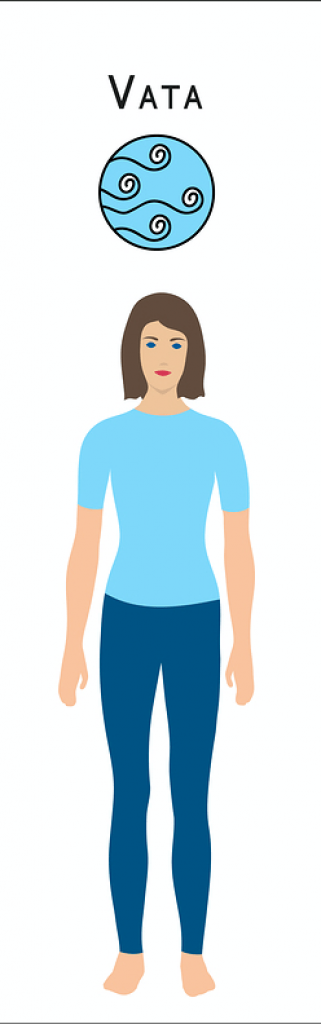 One of the great paradoxes of life is… We are all the same, yet every person is different. While some are hyperactive and packed with creativity, others are slow and graceful. Some can enjoy a five-course meal worry-free, while others put on weight even with a nibble. Why is this? Ayurvedic medicine answers these questions with the help of Vata, Pitta, and Kapha. Here we will answer what is Vata?
Vata is one of the 3 Doshas.
What are Doshas?
According to the Tridosha theory of Ayurveda, three energies circulate and govern our lives. These energies are called Doshas. They are the building blocks that determine our physical and mental characteristics, idiosyncrasies, and health. The five elements – Ether, Air, Fire, Water, and Earth – bind together to form the concepts of Doshas.
These Doshas are Vata, Pitta, and Kapha.
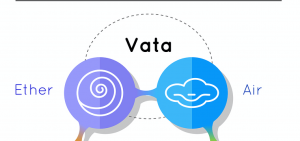
Vata is a blend of Ether and Air
Pitta is a blend of Fire and Water
Kapha is a blend of Water and Earth
When there is a balance among these three doshas, you experience equanimity and health. Imbalances can lead to dis-ease.[/vc_column_text][/vc_column][/vc_row][vc_row][vc_column][vc_column_text]
 What is Vata Dosha?
Vata (the concept and qualities of ether and air) literally translates to ‘wind’. Vata’s nature is to move things. It governs and gives motion to all your biological activities. Vata is the ‘King of the Doshas’ because it masterminds the movement of energy.
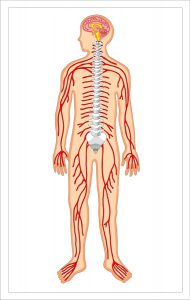 A Vata-dominated person is quick and active because Vata governs the nervous system. Vata controls these functions in the body which are all related to movement:
Vata controls these functions in the body which are all related to movement:
- Digestion
- Assimilation
- Elimination
- Breathing
- Muscle movement
- Joint mobility
- Circulation
- Urination, defecation, and menstruation
If your Vata is out-of-balance you will experience symptoms in one or more of these body functions.
[/vc_column_text][/vc_column][/vc_row][vc_row][vc_column][vc_column_text]
It’s important to know both positive and negative aspects of the doshas. The positive side will give you superpowers. The negative will make you unwell.
 The balanced side of Vata looks like:
- Creative, alert, energetic, effervescent
- Open, available, expansive
- Enthusiastic and ready to go
- Proper digestion, assimilation, and sleep
The unbalanced side of Vata looks like:
- Ungrounded, scattered, worried, anxious, confused, fearful, stressed
- Tired, unable to relax, nervous, insomnia
- Poor circulation, poor digestion
- Muscle tremors, poor stamina, pain, and stiffness in joints
- Self-abusing, inability to make decisions
[/vc_column_text][/vc_column][/vc_row][vc_row][vc_column][vc_column_text]
Physical Characteristics of Vata
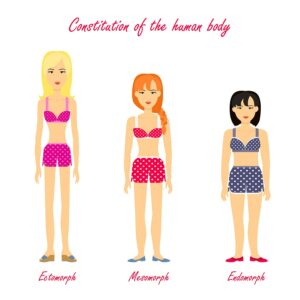
If you are Vata-dominated you will generally be lean, and flat-chested with thin skin, visible muscle tendons, and veins. Your height will be either tall or short, but not medium. When you think about Vata, think of extremes or irregularities.
Vata-type people tend to have dry, cracked, rough skin (especially if out-of-balance).

 Keira Knightley is a famous female Vata type.
Mick Jagger is a famous male Vata type.
Other physical characteristics include:
- Small eyes
- Dull, sunken, yet active eyes
- Thin, bony nose (may be crooked)
- Thin eyelashes
- Curly, dry hair
- Lean body
- Irregular appetite patterns
- Irregular eating and appetite
- Scanty urination
- Cold hands and feet
- Irregular sleeping patterns
- Tendency to feel chilled or cold
- Craving for hot drinks
- Tendency toward constipation
[/vc_column_text][/vc_column][/vc_row][vc_row][vc_column][vc_column_text css=”.vc_custom_1681838797732{background-color: #deebf2 !important;}”]
Psychological Characteristics of Vata
- Learns quickly – forgets easily
- Short-term memory is best
- Little willpower
- Intolerant
- Lack of confidence (because they feel vulnerable)
- Weak reasoning
- Prone to stress and anxiety
[/vc_column_text][/vc_column][/vc_row][vc_row][vc_column][vc_column_text css=”.vc_custom_1681838788528{background-color: #deebf2 !important;}”]
Emotional Characteristics of Vata
The emotional characteristics of Vata include:
- Craving for new, exciting experiences
- Sudden spurts of anger
- Forgiving
- Excellent initiators
- Enthusiastic
- Lively
- Communicative (likes to express and talk a lot)
- Annimated
- Creative
- Mentally alert
[/vc_column_text][/vc_column][/vc_row][vc_row][vc_column][vc_column_text]
[/vc_column_text][/vc_column][/vc_row][vc_row][vc_column][vc_column_text css=”.vc_custom_1681838780249{background-color: #deebf2 !important;}”]
Ways Vata Becomes Imbalanced
A Vata imbalance tends to happen under the following circumstances:
- Traveling
- Anytime you’re under stress or anxiety
- Lack of sleep
- Lack of nutrition
- Over-exercising
- Eating too many dry or light foods
- Consuming cold or raw foods
- Excessively eating spicy, astringent and/or bitter foods
- Eating leftover food
- Irregular daily routine
- Consuming caffeine or other stimulants
- Use of refined sugar
- Suppressing natural urges
- Prolonged exposure to cold weather
- Over-stimulation (loud music, TV, noises, commotion)
- Smoking, drugs, alcohol
- Multi-tasking
- Eating Vata-aggravating foods
- Eating on the go
[/vc_column_text][/vc_column][/vc_row][vc_row][vc_column][vc_column_text css=”.vc_custom_1681838865525{background-color: #deebf2 !important;}”]
Common Vata Body Symptoms
- Dry, rough, flaky skin
- Cracked feet and chapped lips
- Aches and pains
- Inflamed, stiff, and painful joints
- Heart palpitations
- Arthritis and rheumatism
- Lower back pain
- Irregular menstruation
- Dysmenorrhea
- Intestinal cramps
- Constipation, diarrhea, IBS
- Flatulence and belching
- Bloating
- Earaches
- Fatigue
- Circulation issues
- Sore and strep throat
- Dry eyes
- Headaches and migraines
- Hypertension
- Irregular heartbeat
- Premature ejaculation
- Scoliosis, fibromyalgia, multiple sclerosis
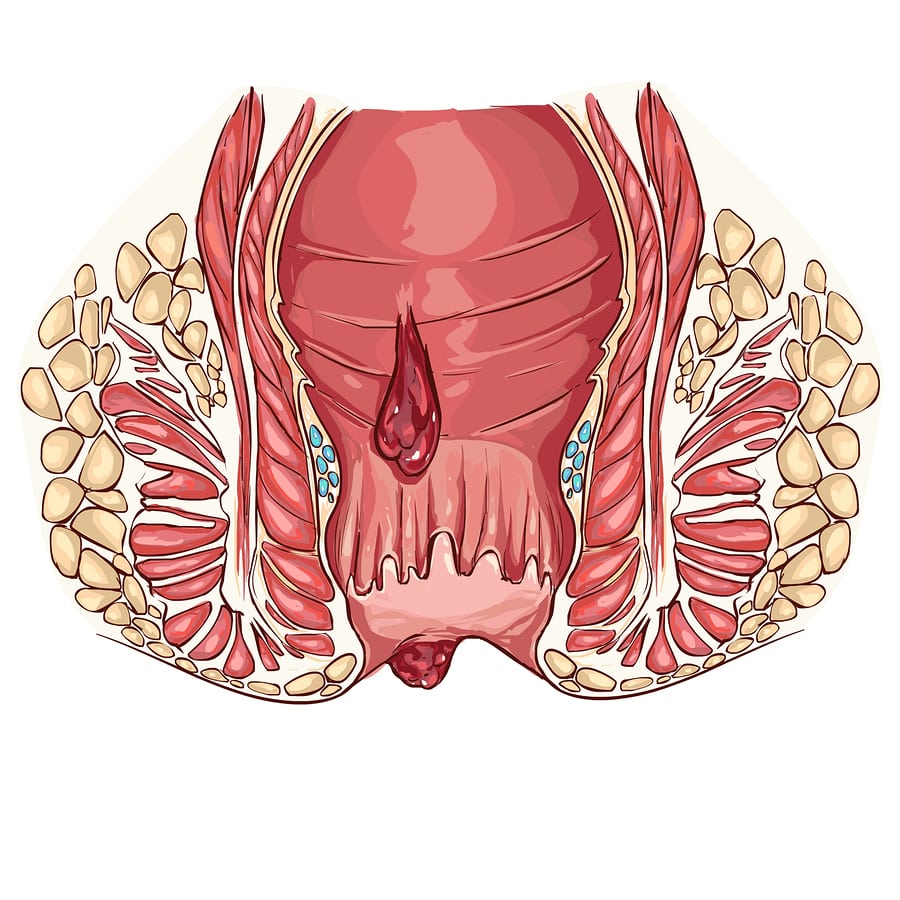
- Fistula
- Anal fissures
- Collapsed blood vessels
- Aneurysms
- Varicose veins and blood clots
- Tinnitus
[/vc_column_text][/vc_column][/vc_row][vc_row][vc_column][vc_column_text]
Ways to Balance Vata Dosha
Since Vata’s are regularly irregular, balancing this Dosha could be slightly challenging. The most important thing to do to balance Vata is to establish a routine in your daily life. Routine is essential!
Here are some suggestions to balance Vata
Balancing Vata with Diet
Eat Foods:
- Warm, freshly cooked, whole foods
- Naturally sour, salty, or sweet foods
- Warm spices like black pepper, cinnamon, cumin, nutmeg, and ginger in moderate amounts
- Warm drinks
- Well-cooked legumes like Mung Dal
- Dairy at room temperature
- Warm milk spiced with nutmeg or cinnamon or turmeric
- Generous amounts of clarified butter and oils like sesame and olive
- Eat at regular intervals of time
- Eating your meal peacefully
Avoid
- Cooling foods
- Leftover food
- Pungent, astringent, and bitter foods
- Light, dry foods like crackers
- Processed foods, fried foods, and refined sugar
- Drinking cold milk with food
- Excessive raw food intake during morning and evening
- Most of the bean variants, including soy
- Canned foods
- Cold drinks
- Cayenne pepper and green chilies
- Aerated or carbonated drinks
- Caffeine other stimulants
- Eating heavy meals
- Overeating
- Consuming fruits or fruit juice 30 minutes before and after food
- Deep fried foods
[/vc_column_text][/vc_column][/vc_row][vc_row][vc_column][vc_column_text css=”.vc_custom_1681838887199{background-color: #deebf2 !important;}”]
Vata-Pacifying Ayurvedic Herbs
Generally, Vata-pacifying herbs are warming, calming, and grounding. They should be part of a complete treatment plan that includes diet and lifestyle modification. Here’s a list of some common Vata balancing herbs.
- Ashwagandha
- Ginger
- Cardamom
- Guduchi
- Pippali
- Black Pepper
- Shatavari
- Vidari Kanda
- Brahmi
- Kapikacchu
- Cinnamon
- Nutmeg
[/vc_column_text][/vc_column][/vc_row][vc_row][vc_column][vc_column_text]
 General Guidelines for Balanced Vata Lifestyle
Following these guidelines will help to keep Vata balanced.
- Wake up before the sun rises. The ideal time would be between 5 am and 6 am.
- Brush your teeth.
- Scrape your tongue.
- Practice oil pulling with sesame oil.
- Practice yoga and meditation in the morning.
- Do a self-massage for 15 minutes with sesame oil.
- Eat 5 to 6 small meals throughout the day at equal intervals.
- Eat warm, freshly cooked foods that are energetic.
- Aim to sleep between 9 pm and 10 pm.
- Maintain a daily routine with consistent waking, eating, sleeping, and exercising time.
Never over-exercise or keep an intense exercising regimen. Gentle yoga forms such as Hatha and Yin Yoga are ideal. Aim to exercise 5 times a week, 45 to 60 minutes a day. Gentle exercise forms such as walking and mild jogging are also beneficial.
Keep the body warm, irrespective of the weather. Enjoy sweet, calming scents and music to relax your mind and body.
Establishing a warm, grounding routine is essential for Vata to lead a healthy, balanced life.[/vc_column_text][/vc_column][/vc_row][vc_row][vc_column][vc_column_text]
What is Vata – Conclusion
Now that you know the answer to “What is Vata,” do you think this is your body/mind type? Knowing your constitution is like having a blueprint that brings glowing health. When you discover your dominant Doshas, you can live your life to your specific needs.
Each person has all three Doshas, but usually one or two will dominate and they will give you some insight into your basic physical, mental, and emotional state.
>>>How To Balance Vata Dosha in Fall and Winter[/vc_column_text][/vc_column][/vc_row][vc_row][vc_column][vc_column_text]And please promise me you won’t hesitate to ask me questions in the comment area below. I’m here to help you out and I would love nothing more than for you to be the healthiest and happiest version of yourself possible.
Let me know if you need anything, and I’ll be sure to get back within “hours” most of the time.[/vc_column_text][/vc_column][/vc_row][vc_row][vc_column][vc_column_text]

[/vc_column_text][/vc_column][/vc_row][vc_row][vc_column][vc_column_text]
Related Posts:
10 Best Yoga Postures for Weight Loss[/vc_column_text][/vc_column][/vc_row][vc_row][vc_column][vc_column_text]https://motherofhealth.com/natural-remedies-fibromyalgia[/vc_column_text][/vc_column][/vc_row]