
[vc_row][vc_column][vc_column_text]If an Ayurvedically trained practitioner or doctor has suggested you follow a Pitta diet and lifestyle to heal Pitta symptoms, here are the guidelines.
[/vc_column_text][/vc_column][/vc_row][vc_row][vc_column][vc_column_text]
Some of the most common symptoms of a Pitta imbalance include:
- Inflammation
- Boils
- Skin rashes
- Acne
- Excessive hunger or thirst
- Bad breath
- Hot flashes
- Heartburn, acid stomach
- Ulcers
- Fever
- Sour body odor
- Rectal bleeding, hemorrhoids
- Intolerance to heat
- Bloodshot eyes
- Anger, hostility, resentment, jealousy (or any other heated emotions)
- Criticism of self and others
- Sour taste in the mouth due to acid regurgitation
[/vc_column_text][/vc_column][/vc_row][vc_row][vc_column][vc_column_text css=”.vc_custom_1628534887948{background-color: #f9f2f2 !important;}”]
 Pitta Diet and Lifestyle
- Eat organic, whole, foods that have a naturally sweet, (this doesn’t mean white sugar) bitter or astringent taste.
- Because Pitta dosha is hot and moist, it is balanced by cooling foods and herbs like mint, cucumber, and milk
- Pitta is imbalanced by heavy processed foods like canned foods, pastries, ready-to-eat meals, and deep fried foods especially
- Avoid any sour, spicy, hot, and pungent foods
- Pitta types tend to experience acid reflux, so eat regular intervals of time without starving yourself
- People who have a lot of fire are pretty sensitive to their surroundings so don’t eat while you’re watching the news or anything that would cause you to be upset. Eat peacefully and don’t ever eat if you’re having an emotional conflict.
Within 15 days of beginning this Pitta diet and lifestyle, you should notice changes in your digestion that is more stable. As a result, your energy levels will be more balanced.[/vc_column_text][/vc_column][/vc_row][vc_row][vc_column][vc_column_text]
[/vc_column_text][/vc_column][/vc_row][vc_row][vc_column][vc_column_text]
Pitta Food List to Reduce Heat in Body and Mind
[/vc_column_text][/vc_column][/vc_row][vc_row][vc_column width=”1/4″][vc_column_text]
Dairy
[/vc_column_text][/vc_column][vc_column width=”3/4″][vc_column_text css=”.vc_custom_1531188094641{background-color: #f9f2f2 !important;}”]Favor: Nut Milks, unsalted butter, ghee, plain yogurt, cottage cheese, unsalted goat cheese
Reduce or Eliminate: Flavored or sweetened yogurt, hard cheeses, sour cream[/vc_column_text][/vc_column][/vc_row][vc_row][vc_column width=”1/4″][vc_column_text]
Grains
[/vc_column_text][/vc_column][vc_column width=”3/4″][vc_column_text css=”.vc_custom_1472689584719{background-color: #f9f2f2 !important;}”]Favor: Wheat, barley, oats, rice, amaranth, couscous, quinoa, tapioca
Reduce or eliminate: Brown rice, corn, buckwheat, millet, rye[/vc_column_text][/vc_column][/vc_row][vc_row][vc_column width=”1/4″][vc_column_text]
Sweetener
[/vc_column_text][/vc_column][vc_column width=”3/4″][vc_column_text css=”.vc_custom_1472689594255{background-color: #f9f2f2 !important;}”]Favor: Honey, jaggery
Reduce or eliminate: White sugar, artificial sweeteners, malt syrup, maple syrup[/vc_column_text][/vc_column][/vc_row][vc_row][vc_column width=”1/4″][vc_column_text]
Vegetables
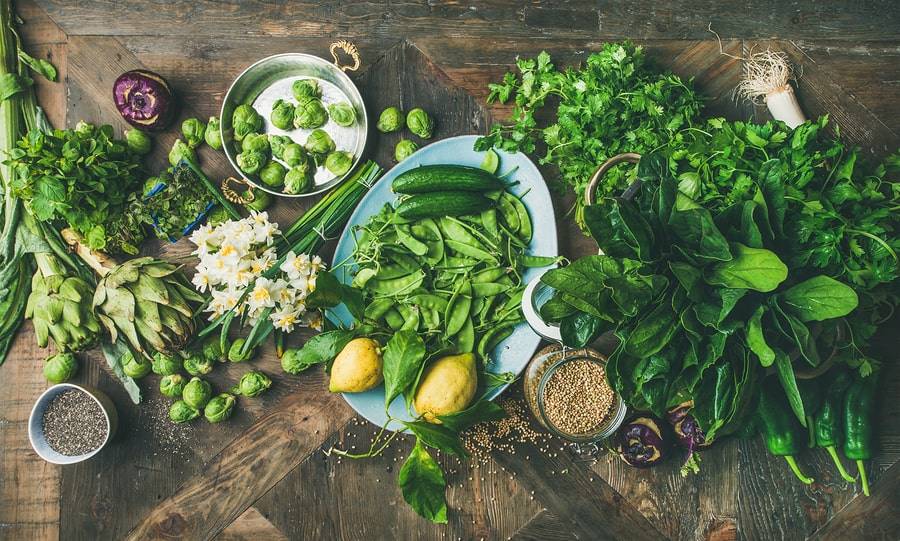
[/vc_column_text][/vc_column][vc_column width=”3/4″][vc_column_text css=”.vc_custom_1472689611871{background-color: #f9f2f2 !important;}”]Favor: Dark leafy greens, okra, cucumber, asparagus, pumpkin, cauliflower, green beans, zucchini, celery, lettuce, sweet potato, potato, broccoli, kale, wheatgrass, peas, parsnip
Reduce or eliminate: Raw beets, raw carrots, raw garlic, raw onion, eggplant, hot peppers, tomato, spinach, radish[/vc_column_text][/vc_column][/vc_row][vc_row][vc_column width=”1/4″][vc_column_text]
Fruits
[/vc_column_text][/vc_column][vc_column width=”3/4″][vc_column_text css=”.vc_custom_1472689623143{background-color: #f9f2f2 !important;}”]Favor: Pomegranate, ripe pineapple, orange, plum, grape, cherries, melons, mangos, papaya, avocado, dates, figs, strawberries, watermelon, lime, pear, raisins
Reduce or eliminate: Apricot, grapefruit, cranberry, kiwi, banana, lemon[/vc_column_text][/vc_column][/vc_row][vc_row][vc_column width=”1/4″][vc_column_text]
Beans
[/vc_column_text][/vc_column][vc_column width=”3/4″][vc_column_text css=”.vc_custom_1472689635199{background-color: #f9f2f2 !important;}”]Favor: Lima beans, mung dal, mung beans, black beans, adzuki beans, kidney beans, black-eyed peas, lentils, soybeans, pinto beans, chickpeas, tofu
Reduce or eliminate: Tuvar dal, urad dal[/vc_column_text][/vc_column][/vc_row][vc_row][vc_column width=”1/4″][vc_column_text]
Nuts & Seeds
[/vc_column_text][/vc_column][vc_column width=”3/4″][vc_column_text css=”.vc_custom_1472689646503{background-color: #f9f2f2 !important;}”]Favor: Soaked and peeled almonds, flax seeds, pumpkin seeds, sunflower seeds, coconut
Reduce or eliminate: Cashews, brazil nuts, chia seeds, peanuts, macadamia nuts, pistachios, walnuts, sesame seeds, pine nuts, pecans[/vc_column_text][/vc_column][/vc_row][vc_row][vc_column width=”1/4″][vc_column_text]
Meat
[/vc_column_text][/vc_column][vc_column width=”3/4″][vc_column_text css=”.vc_custom_1472689659736{background-color: #f9f2f2 !important;}”]Favor: Chicken, turkey, pheasant, fresh water fish
Reduce or eliminate: Eggs, seafood, beef, pork, or any red meat[/vc_column_text][/vc_column][/vc_row][vc_row][vc_column width=”1/4″][vc_column_text]
Oils
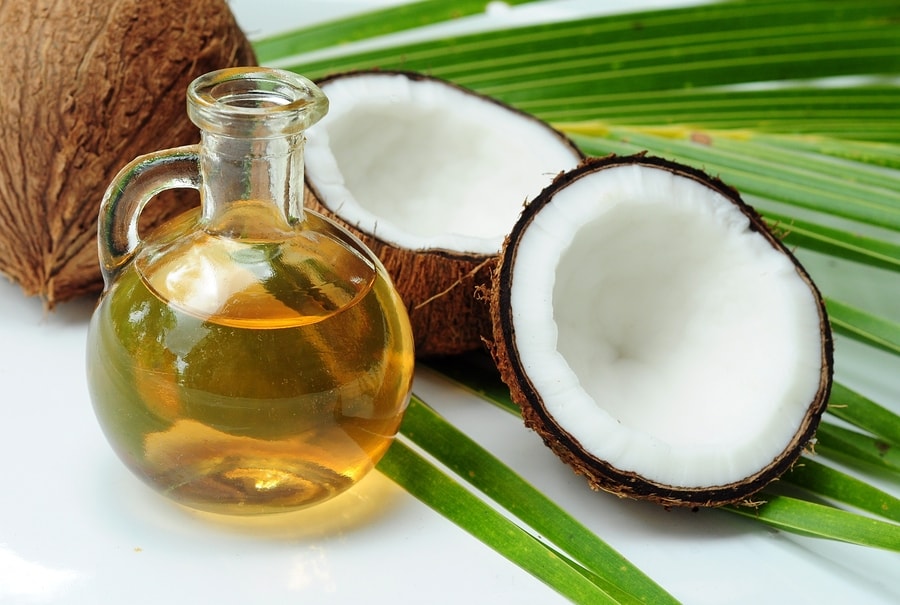
[/vc_column_text][/vc_column][vc_column width=”3/4″][vc_column_text css=”.vc_custom_1472689670654{background-color: #f9f2f2 !important;}”]Favor: Coconut oil, olive oil, sunflower oil, walnut oil, soy oil
Reduce or eliminate: Almond oil, sesame oil, apricot oil, safflower oil, corn oil[/vc_column_text][/vc_column][/vc_row][vc_row][vc_column width=”1/4″][vc_column_text]
Herbs & Spices
[/vc_column_text][/vc_column][vc_column width=”3/4″][vc_column_text css=”.vc_custom_1472689681583{background-color: #f9f2f2 !important;}”]Favor: Basil, cilantro, saffron, coriander, cardamom, cumin, fennel, mint, dill, neem, turmeric, wintergreen
Reduce or eliminate: Chili or cayenne peppers, cinnamon, ginger, cumin, fenugreek seeds, mustard seeds, clove, black pepper, nutmeg, oregano, sage, thyme, poppy seeds, rosemary, marjoram, mace, asafetida, ajwain[/vc_column_text][/vc_column][/vc_row][vc_row][vc_column width=”1/4″][vc_column_text]
Alcohol
[/vc_column_text][/vc_column][vc_column width=”3/4″][vc_column_text css=”.vc_custom_1472689693710{background-color: #f9f2f2 !important;}”]Restrict to occasional white wine or beer[/vc_column_text][/vc_column][/vc_row][vc_row][vc_column][vc_column_text css=”.vc_custom_1628534999561{background-color: #f9f2f2 !important;}”]
Pitta Lifestyle
- Eat smaller meals throughout the day. (Four meals are generally better than three).
- Aim to eat freshly cooked meals with cooling spices
- Do not drink coffee, tea or alcohol on an empty stomach
- Drink plenty of lukewarm water and herbal teas prepared with fennel or coriander
- Do not drink ice water
- Eat plenty of vegetables and fruits from Recommended Pitta Food list above
- Do not eat fruits or drink fruit juices with your meals. Eat them on an empty stomach before meals.
- Swimming, aquatic yoga and aqua gymnastics are ideal exercise
- Restorative and gentle yoga like Yin yoga are good for Pitta types to calm their aggressive nature. Since they prefer intense movements, Ashtanga Yoga could serve them. But it’s advisable to avoid vigorous practices like Power or Bikram Yoga.
- Practice deep abdominal breathing and cooling breaths like Sheetakari Sheetali, and Chandra Bhedi Pranayama
- Take a 15-30 minute nap during the afternoon to restore your energy level
- Take a lukewarm shower. Avoid hot showers
- Maintain a sleeping routine
- Meditate for 30-45 minutes regularly
- Take lots of walks in nature at sundown. Preferably alongside a body of water or in a shaded park to cool and calm agitated body and mind.
[/vc_column_text][/vc_column][/vc_row][vc_row][vc_column][vc_column_text]
Things that Throw Pitta’s Off Balance
- Fasting
- Eating spicy and sour foods
- Irregular eating patterns
- Lack of adequate sleep
- Withholding emotions such as anger and guilt
- Alcohol, drugs, refined sugar
- Excessive working
- Obsessive habits
- Over-indulgence in foods and frozen foods
- Excessive exposure to high temperatures or sun
[/vc_column_text][/vc_column][/vc_row][vc_row][vc_column][vc_column_text]A simple, soothing diet consumed at regular intervals of time is essential to balance the Pitta.
Choose to begin your day with fruit followed by a filling, fiber-rich oatmeal for breakfast. Your lunch could be something like a generous amount of steamed lentils, sautéed freshwater fish, and a good salad.
Eat minimal dinner and have a cup of milk spiced with turmeric before bedtime. Meditating and conscious breathing also helps in balancing the Pitta.
What is Vata Dosha?[/vc_column_text][/vc_column][/vc_row][vc_row][vc_column][vc_column_text]

[/vc_column_text][/vc_column][/vc_row][vc_row][vc_column][vc_column_text]
[/vc_column_text][/vc_column][/vc_row]