
[vc_row][vc_column][vc_column_text]
Vata Kapha Food Program
Ayurveda recognizes that each taste, (sweet, sour, salty, pungent, bitter and astringent) affects each dosha differently. The Vata Kapha food program reduces both Vata dosha and Kapha dosha in the body and mind.
The following Vata/Kapha food program is best if you have a Vata/Kapha imbalance, or if you have a Vata/Kapha constitution and want to eat those foods which will keep you in health and harmony.[/vc_column_text][/vc_column][/vc_row][vc_row][vc_column width=”1/4″][vc_column_text css=”.vc_custom_1468625900071{background-color: #f2efe6 !important;}”]
Qualities to Reduce
Cold
Heavy
Dry
[/vc_column_text][/vc_column][vc_column width=”1/4″][vc_column_text css=”.vc_custom_1468624571478{background-color: #f2efe6 !important;}”]
Best Tastes
Pungent
Sour
[/vc_column_text][/vc_column][vc_column width=”1/4″][vc_column_text css=”.vc_custom_1468624604124{background-color: #f2efe6 !important;}”]
Small Amounts
Salty
Astringent
[/vc_column_text][/vc_column][vc_column width=”1/4″][vc_column_text css=”.vc_custom_1468624621244{background-color: #f2efe6 !important;}”]
Worst Tastes
Sweet
Bitter
[/vc_column_text][/vc_column][/vc_row][vc_row][vc_column][vc_column_text]Foods listed as “Best” can be eaten without reservation on a daily basis.
If you are sick with a Vata/Kapha imbalance, consume only foods on this list. These foods are the most ideal as they are the most balanced for both doshas.
Foods listed as “Small Amounts” can be eaten in small portions fairly often or in larger portions once or twice a week. Eating a wide variety of these foods is better than an abundance of just one. Over-reliance on these foods can cause an imbalance resulting in symptoms.
Foods listed as “Avoid” should be eaten only on rare occasions and can be eaten once each month. They either cause an imbalance in both doshas or very significantly disturb one of the doshas.
[/vc_column_text][/vc_column][/vc_row][vc_row][vc_column][vc_text_separator title=”GRAINS” css=”.vc_custom_1521659228489{background-color: #e2f2f0 !important;}”][/vc_column][/vc_row][vc_row][vc_column][vc_column_text css=”.vc_custom_1475069524204{background-color: #f2efe6 !important;}”]
Grains
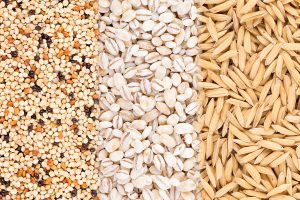
It is best to eat grains cooked, though a small amount of bread may be eaten.[/vc_column_text][/vc_column][/vc_row][vc_row][vc_column width=”1/3″][vc_column_text css=”.vc_custom_1468626446659{background-color: #f2efe6 !important;}”]
Best
Amaranth, barley, basmati rice, brown rice, buckwheat, quinoa, wild rice
[/vc_column_text][/vc_column][vc_column width=”1/3″][vc_column_text css=”.vc_custom_1468626457262{background-color: #f2efe6 !important;}”]
Small Amounts
Millet, rye
[/vc_column_text][/vc_column][vc_column width=”1/3″][vc_column_text css=”.vc_custom_1468626473019{background-color: #f2efe6 !important;}”]
Avoid
Corn, rice (sticky, white short or long grain) & wheat
[/vc_column_text][/vc_column][/vc_row][vc_row][vc_column][vc_text_separator title=”DAIRY” css=”.vc_custom_1521659259192{background-color: #e2f2f0 !important;}”][/vc_column][/vc_row][vc_row][vc_column][vc_column_text css=”.vc_custom_1595568448076{background-color: #f2efe6 !important;}”]

Dairy
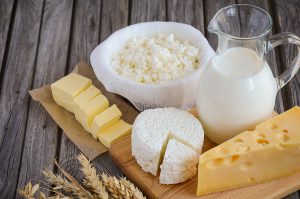
It is best to use raw or organic milk products. Milk should be taken warm with a small amount of spices such as ginger and cardamom. Ghee and yogurt should also be used with warm spices.[/vc_column_text][/vc_column][/vc_row][vc_row][vc_column width=”1/3″][vc_column_text css=”.vc_custom_1468626534837{background-color: #f2efe6 !important;}”]
Best
Buttermilk, ghee, 2% milk, low-fat yogurt
[/vc_column_text][/vc_column][vc_column width=”1/3″][vc_column_text css=”.vc_custom_1468626548198{background-color: #f2efe6 !important;}”]
Small Amounts
Kefir, sour cream, whole milk yogurt
[/vc_column_text][/vc_column][vc_column width=”1/3″][vc_column_text css=”.vc_custom_1468626559364{background-color: #f2efe6 !important;}”]
Avoid
Butter, cheese, cottage cheese, ice cream, frozen yogurt
[/vc_column_text][/vc_column][/vc_row][vc_row][vc_column][vc_text_separator title=”SWEETENERS” css=”.vc_custom_1521659271968{background-color: #e2f2f0 !important;}”][/vc_column][/vc_row][vc_row][vc_column][vc_column_text css=”.vc_custom_1468628206779{background-color: #f2efe6 !important;}”]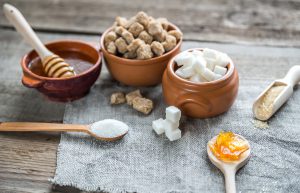
Sweeteners
Overuse of any sweetener will eventually cause an imbalance. Those listed under “Small Amounts” are more likely to cause imbalance with regular usage and should not be used more than once each month.[/vc_column_text][/vc_column][/vc_row][vc_row][vc_column width=”1/3″][vc_column_text css=”.vc_custom_1468627019162{background-color: #f2efe6 !important;}”]
Best
Raw honey
[/vc_column_text][/vc_column][vc_column width=”1/3″][vc_column_text css=”.vc_custom_1468627027971{background-color: #f2efe6 !important;}”]
Small Amounts
Jaggery, molasses, sucanat
[/vc_column_text][/vc_column][vc_column width=”1/3″][vc_column_text css=”.vc_custom_1468627042500{background-color: #f2efe6 !important;}”]
Avoid
Date sugar, dextrose, fructose, grape sugar, maltose, maple sugar, maple syrup and white table sugar
[/vc_column_text][/vc_column][/vc_row][vc_row][vc_column][vc_text_separator title=”OILS” css=”.vc_custom_1521659284760{background-color: #e2f2f0 !important;}”][/vc_column][/vc_row][vc_row][vc_column][vc_column_text css=”.vc_custom_1475069655876{background-color: #f2efe6 !important;}”]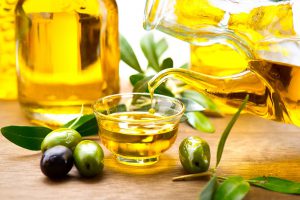
Oils
Oils are very important and should be used abundantly if the skin is dry. Though generally heavy, the higher oils will not aggravate Kapha dosha. Ghee should be used with warm spices.[/vc_column_text][/vc_column][/vc_row][vc_row][vc_column][vc_column_text] [/vc_column_text][/vc_column][/vc_row][vc_row][vc_column width=”1/3″][vc_column_text css=”.vc_custom_1468628076756{background-color: #f2efe6 !important;}”]
Best
Flaxseed, ghee, mustard, safflower
[/vc_column_text][/vc_column][vc_column width=”1/3″][vc_column_text css=”.vc_custom_1468628087924{background-color: #f2efe6 !important;}”]
Small Amounts
Almond, castor, corn, olive, peanut, sesame, soy
[/vc_column_text][/vc_column][vc_column width=”1/3″][vc_column_text css=”.vc_custom_1468628097356{background-color: #f2efe6 !important;}”]
Avoid
Avocado, coconut, sunflower
[/vc_column_text][/vc_column][/vc_row][vc_row][vc_column][vc_text_separator title=”FRUITS” css=”.vc_custom_1521659297144{background-color: #e2f2f0 !important;}”][/vc_column][/vc_row][vc_row][vc_column][vc_column_text css=”.vc_custom_1475069916938{background-color: #f2efe6 !important;}”]
Fruit
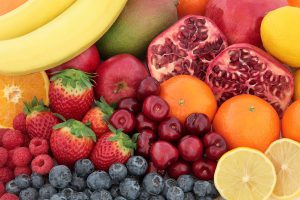 Fruits are best when they are sour and not overly ripened or sweet. These will bring balance to both Vata and Kapha doshas.
In general, due to their cooling effects on the body, their intake should be consumed in small amounts.
The “best” fruits may be taken in greater amounts. Fruit in general should not be a staple of the diet, but is all right for occasional use.[/vc_column_text][/vc_column][/vc_row][vc_row][vc_column width=”1/3″][vc_column_text css=”.vc_custom_1468628830098{background-color: #f2efe6 !important;}”]
Best
Apricots, grapefruit, lemon, papaya
[/vc_column_text][/vc_column][vc_column width=”1/3″][vc_column_text css=”.vc_custom_1468628910586{background-color: #f2efe6 !important;}”]
Small Amounts
Apples (baked or stewed is best), banana, blueberries, blackberries, cranberries, cherries, lime, mango, sour oranges, pineapple, plums, pomegranate, prunes, raspberries, tangerines
[/vc_column_text][/vc_column][vc_column width=”1/3″][vc_column_text css=”.vc_custom_1468634778667{background-color: #f2efe6 !important;}”]
Avoid
Avocado, coconut, dates, figs, grapes, melons, sweet oranges, peaches, pears, persimmons, plums, sweet raisins, strawberries
[/vc_column_text][/vc_column][/vc_row][vc_row][vc_column][vc_text_separator title=”VEGETABLES” css=”.vc_custom_1521659309760{background-color: #e2f2f0 !important;}”][/vc_column][/vc_row][vc_row][vc_column][vc_column_text css=”.vc_custom_1475070164346{background-color: #f2efe6 !important;}”]
Vegetables
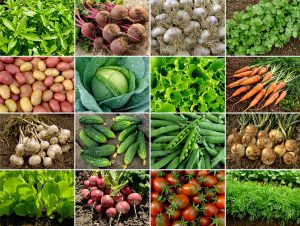
The vegetables should be cooked. However, occasional use of raw vegetables is all right as long as there is no constipation or gas.[/vc_column_text][/vc_column][/vc_row][vc_row][vc_column width=”1/3″][vc_column_text css=”.vc_custom_1468634994602{background-color: #f2efe6 !important;}”]
Best
Artichoke (with a spicy, oily dressing), beets, carrots, cauliflower, chili peppers, fresh corn, green beans, leeks, mung beans, sprouts, mustard greens, onions, parsley, potato, radish, sunflower sprouts, tomato.
[/vc_column_text][/vc_column][vc_column width=”1/3″][vc_column_text css=”.vc_custom_1468635334876{background-color: #f2efe6 !important;}”]
Small Amounts
Alfalfa sprouts, bell peppers, broccoli, Brussel sprouts, celery, cilantro, kale, lettuce, mushrooms, okra, peas (green & snow) rutabagas, seaweed, spinach, squash, (Zucchini, crookneck) swiss chard, turnips.
[/vc_column_text][/vc_column][vc_column width=”1/3″][vc_column_text css=”.vc_custom_1468635345937{background-color: #f2efe6 !important;}”]
Avoid
Asparagus, bitter melon, cabbage, cucumber, eggplant, Jerusalem artichoke, squash (acorn, winter) sweet potato, yams
[/vc_column_text][/vc_column][/vc_row][vc_row][vc_column][vc_text_separator title=”MEATS” css=”.vc_custom_1521659325543{background-color: #e2f2f0 !important;}”][/vc_column][/vc_row][vc_row][vc_column][vc_column_text css=”.vc_custom_1473443334199{background-color: #f2efe6 !important;}”]
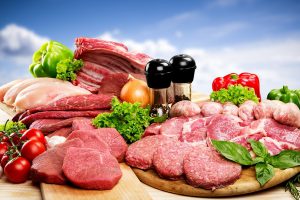
Meats
Research shows that plant-based diets are healthier than meat-based diets and prevent many diseases. Limit meat consumption if possible.[/vc_column_text][/vc_column][/vc_row][vc_row][vc_column width=”1/3″][vc_column_text css=”.vc_custom_1468691510895{background-color: #f2efe6 !important;}”]
Best
None
[/vc_column_text][/vc_column][vc_column width=”1/3″][vc_column_text css=”.vc_custom_1468691519786{background-color: #f2efe6 !important;}”]
Small Amounts
Chicken, turkey, fish (fresh river and sea)
[/vc_column_text][/vc_column][vc_column width=”1/3″][vc_column_text css=”.vc_custom_1468691528610{background-color: #f2efe6 !important;}”]
Avoid
Beef, duck, pork, lamb, shellfish
[/vc_column_text][/vc_column][/vc_row][vc_row][vc_column][vc_text_separator title=”LEGUMES” css=”.vc_custom_1521659337184{background-color: #e2f2f0 !important;}”][/vc_column][/vc_row][vc_row][vc_column][vc_column_text css=”.vc_custom_1475070513454{background-color: #f2efe6 !important;}”]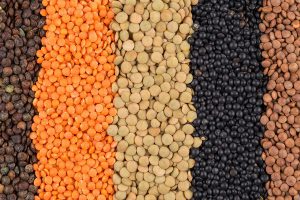
Legumes
Legumes are best taken well cooked with warm spices, as they can be difficult to digest. Soak them before to improve digestibility. As they contain earth and air, they are heavy and dry which can harm both Vata and Kapha if digestion is weak. Those listed as best are easiest to digest and usually will not cause harm.
[/vc_column_text][/vc_column][/vc_row][vc_row][vc_column width=”1/3″][vc_column_text css=”.vc_custom_1468691601716{background-color: #f2efe6 !important;}”]
Best
Mung beans, soy milk, tempeh, tofu
[/vc_column_text][/vc_column][vc_column width=”1/3″][vc_column_text css=”.vc_custom_1468691641819{background-color: #f2efe6 !important;}”]
Small Amounts
None
[/vc_column_text][/vc_column][vc_column width=”1/3″][vc_column_text css=”.vc_custom_1468691727018{background-color: #f2efe6 !important;}”]
Avoid
Aduki beans, black beans, black gram, chickpeas, fava beans, kidney beans, lentils, lima beans, navy beans, peas, pinto beans, soybeans
[/vc_column_text][/vc_column][/vc_row][vc_row][vc_column][vc_text_separator title=”SPICES” css=”.vc_custom_1521659349359{background-color: #e2f2f0 !important;}”][/vc_column][/vc_row][vc_row][vc_column][vc_column_text css=”.vc_custom_1468692342945{background-color: #f2efe6 !important;}”]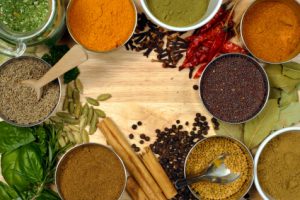
Spices
Spices aid digestion and absorption of nutrients as well as improve flavor. It is the overall effect of spicing that is most important and not the individual spice used. If food becomes too hot, it may contribute to greater dryness. Hence, the hottest spices should be used in moderation. Food should never be bland.[/vc_column_text][/vc_column][/vc_row][vc_row][vc_column width=”1/3″][vc_column_text css=”.vc_custom_1468692351784{background-color: #f2efe6 !important;}”]
Best
Allspice, anise, asafetida, basil, bay leaf, black pepper, caraway, catnip, cayenne, celery seed, chamomile, cloves, coriander, cumin, curry powder, dill, fenugreek, garlic, ginger, horseradish, marjoram, mustard seed, nutmeg, oregano, paprika, parsley, peppermint, poppy seed, rosemary, saffron, sage, spearmint, star anise, tarragon, thyme, turmeric
[/vc_column_text][/vc_column][vc_column width=”1/3″][vc_column_text css=”.vc_custom_1468692360728{background-color: #f2efe6 !important;}”]
Small Amounts
Salt
[/vc_column_text][/vc_column][vc_column width=”1/3″][vc_column_text css=”.vc_custom_1468692369024{background-color: #f2efe6 !important;}”]
Avoid
None
[/vc_column_text][/vc_column][/vc_row][vc_row][vc_column][vc_text_separator title=”Condiments” css=”.vc_custom_1521659361624{background-color: #e2f2f0 !important;}”][/vc_column][/vc_row][vc_row][vc_column][vc_column_text css=”.vc_custom_1468692767559{background-color: #f2efe6 !important;}”]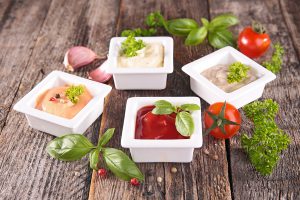
Condiments
[/vc_column_text][/vc_column][/vc_row][vc_row][vc_column width=”1/3″][vc_column_text css=”.vc_custom_1468692776784{background-color: #f2efe6 !important;}”]
Best
Vinegar
[/vc_column_text][/vc_column][vc_column width=”1/3″][vc_column_text css=”.vc_custom_1468692784936{background-color: #f2efe6 !important;}”]
Small Amounts
Catsup, carob and chocolate
[/vc_column_text][/vc_column][vc_column width=”1/3″][vc_column_text css=”.vc_custom_1468692793390{background-color: #f2efe6 !important;}”]
Avoid
Mayonnaise
[/vc_column_text][/vc_column][/vc_row][vc_row][vc_column][vc_text_separator title=”BEVERAGES” css=”.vc_custom_1521659372687{background-color: #e2f2f0 !important;}”][/vc_column][/vc_row][vc_row][vc_column][vc_column_text css=”.vc_custom_1468693509835{background-color: #f2efe6 !important;}”]
Beverages
Beverages are best taken at room temperature or warm, and never ice cold.[/vc_column_text][/vc_column][/vc_row][vc_row][vc_column width=”1/3″][vc_column_text css=”.vc_custom_1468693518108{background-color: #f2efe6 !important;}”]
Best
Chamomile tea, licorice tea, mint tea, spicy teas, water
[/vc_column_text][/vc_column][vc_column width=”1/3″][vc_column_text css=”.vc_custom_1468693526356{background-color: #f2efe6 !important;}”]
Small Amounts
Sour fruit, (cranberry, lemon, lime, pineapple, pomegranate), vegetable juices, diluted fruit juices preferred
[/vc_column_text][/vc_column][vc_column width=”1/3″][vc_column_text css=”.vc_custom_1468693534476{background-color: #f2efe6 !important;}”]
Avoid
Alcohol, black tea, coffee, soft drinks, sweet fruit juices, soda pop
[/vc_column_text][/vc_column][/vc_row][vc_row][vc_column][vc_column_text][/vc_column_text][/vc_column][/vc_row][vc_row][vc_column][vc_column_text]

[/vc_column_text][/vc_column][/vc_row]